
Ski tours in the Zillertal: Perfect tours for January
Ski tours in the Zillertal: The best January tours for beginners and advanced skiers
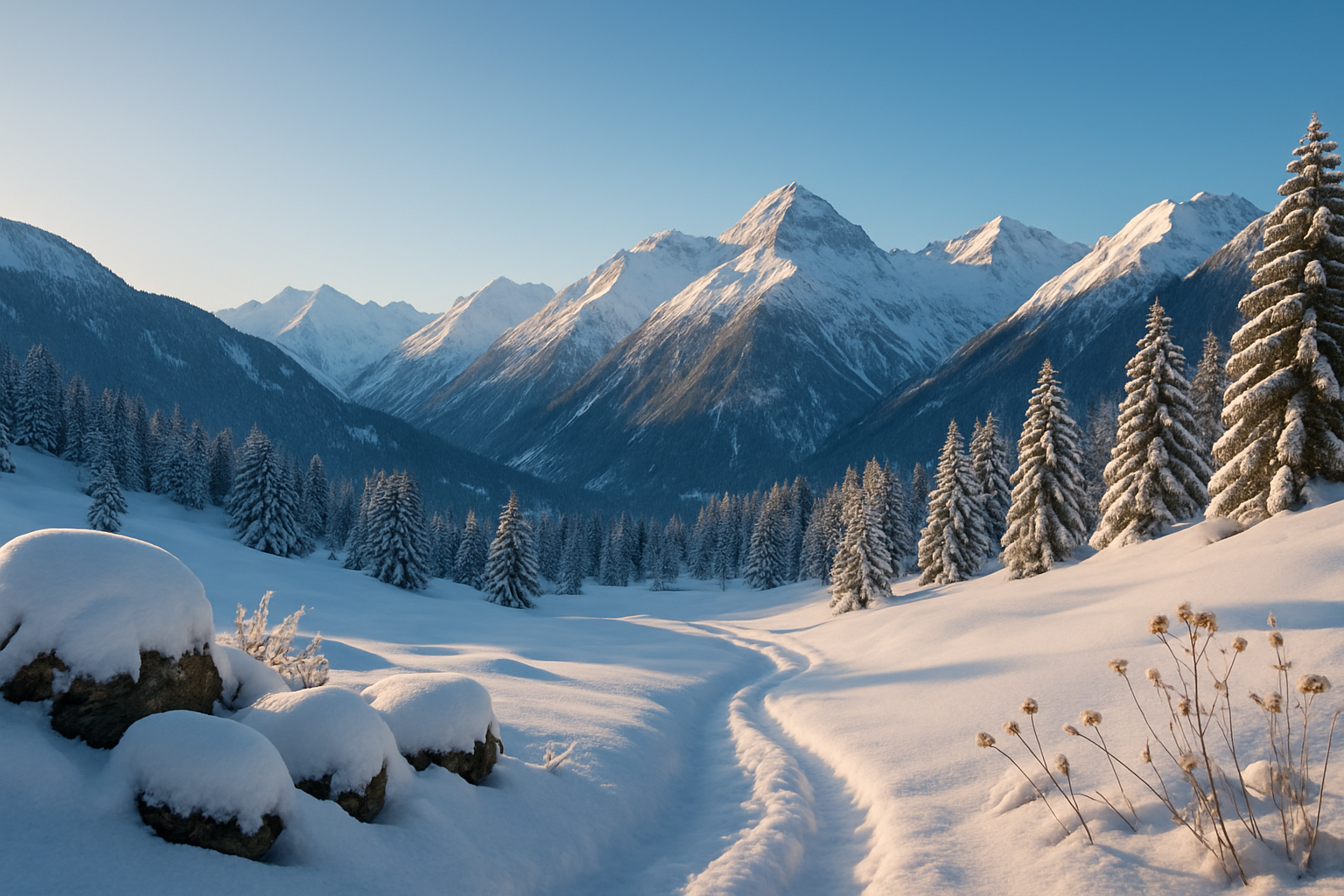
January is one of the best months for ski touring in the Zillertal Valley – the snow conditions are usually stable, the air is clear, and the mountains offer impressive panoramas. Whether you're a beginner or an expert, the Zillertal and Tux Alps offer a diverse range of tours. In this guide, we show you the best ski tours in the Zillertal for January, tailored to different skill levels – from easy classics like the Wetterkreuz to high-alpine destinations like the Gabler. We also provide valuable ski touring tips for the Zillertal to help you plan your tours safely. Get inspired and experience the best ski touring season in the heart of winter!
- 1. Why the Zillertal is perfect for ski touring in January
- 2. The best ski tours in the Zillertal for beginners
- 3. Intermediate ski tours for advanced skiers
- 4. High-Alpine Challenges for Experts
- 5. Comparison table: Top ski tours at a glance
- 6. Safety & Equipment: Preparation is everything
- 7. Avoid common mistakes – top tips from professionals
- 8. FAQ: Everything you should know about ski touring in the Zillertal
- 9. Conclusion: Ski touring enjoyment at every level
Why the Zillertal is perfect for ski touring in January
Snow conditions and climatic conditions
January in the Zillertal and Tux Alps usually offers stable snow conditions. The cold temperatures keep the fresh snow powdery, creating ideal conditions for both ascent and descent. With the necessary caution, this presents an excellent window for ski touring in the Zillertal in January .
Variety of tours
Whether you're just starting out or looking for a high-alpine challenge – the Zillertal valley offers suitable tours for every skill level. From wide alpine paths to glacier ascents like the Gabler, there's something for everyone.
Accessibility and infrastructure
Parking options, such as those at the Schlegeis Reservoir, in Hochfügen, or in Weerberg, simplify tour logistics. Many starting points are within easy reach of mountain huts, ski lifts, or bus stops – perfect for day trips with optional stops for refreshments.
- Top months for ski touring: January, February, March (stable snow conditions)
- Fresh snow development: Often ideal in the first weeks of January – timely tour planning is worthwhile!
The best ski tours in the Zillertal for beginners
Rosskopf (2,394 m)
Starting point: Schlegeis reservoir – Zamsgatterl
Elevation gain: approx. 850 m
Duration: approximately 3 hours
Difficulty: easy
This classic route is ideal for your introduction to ski touring. The spacious terrain with wide alpine meadows allows for safe ascents. The slope has an ideal gradient and offers a relaxed descent with excellent views of the southern Zillertal Alps. The route is popular – but not crowded and usually well-tracked.
Weather Cross – Pure enjoyment
Starting point: Innerst, Weerberg
Elevation gain: approx. 900 m
Duration: 3-4 hours
Difficulty: easy
In a side valley of the Zillertal, a peaceful and very beautiful introductory tour awaits. The route to the Wetterkreuz (weather cross) leads across gentle alpine meadows with fantastic views of the Tux Alps. Due to its gentle gradient and south-facing orientation, this tour is ideal even in mild avalanche conditions – also perfect as a first solo tour.
Torhelm – Plenty of room to drive off
Starting point: Zell am Ziller – via Gerlos Valley
Elevation gain: approx. 950 m
Duration: 3–4 hours
Difficulty: easy
The route to the Torhelm offers beginner-friendly starting conditions with perfect downhill terrain. Wide, open south-facing slopes ensure enjoyable skiing even for those with less experience. The ascent is steady and technically easy. Since the summit is relatively easy year-round, it is considered one of the quintessential beginner ski tours in the Zillertal .
Equipment tips for beginners
- Avalanche transceiver (and emergency training in the snow beforehand!)
- Weatherproof clothing in layers
- Thermos flask with tea, small snacks
- Gaiters for fresh snow or deeper powder snow
Tours with less than 1000m elevation gain and low avalanche risk
- Rosskopf – 850 m
- Wetterkreuz – 900 m
- Torhelm – 950 m
Intermediate ski tours for advanced skiers
Hippoldspitze – panoramic view included
Starting point: Schmirntal, Volderau parking lot
Elevation gain: approx. 1200 m
Duration: 4–5 hours
Difficulty: medium
This tour at 2,645 m leads through varied terrain with impressive panoramic views of the Tux Alps main ridge. The ascent is moderately steep but requires a good understanding of trail conditions. With careful route selection, the avalanche risk remains manageable. A real insider tip in January!
Marchkopf – A popular classic in winter
Starting point: Hochfügen, parking lot at the valley station
Elevation gain: approx. 1000 m
Duration: 3.5–4.5 hours
Difficulty: medium
The sunny southern exposure makes the Marchkopf particularly popular on cold midwinter days. Although usually groomed, it still offers an alpine feel and a wide panorama extending to the Zillertal Alps. The descent follows open slopes or (if needed) well-maintained forest roads.
Halslspitze – The quiet alternative from Weerberg
Starting point: Innerst, Weerberg
Elevation gain: approx. 1150 m
Duration: 4–5 hours
Difficulty: medium
With some experience, the Halslspitze is a wonderfully peaceful winter summit. The tour begins across alpine meadows, later following open slopes – often with the sun at your back. The route is less well-known, but particularly rewarding in terms of scenery. Conditions are often excellent in January!
Niederer Kaserer – Glacier-side tour for technology enthusiasts
Starting point: Hintertux – Sommerbergalm cable car
Elevation gain: approx. 1100 m
Duration: 4–5 hours
Difficulty: medium
This tour near the glacier offers good infrastructure in the valley. Technically somewhat more challenging due to short steep sections, but without crossing a glacier. Ideal for experienced hikers who want to experience altitudes above 2800 m for the first time.
| tour | Elevation gain | Length of time | Starting point | Avalanche situation |
|---|---|---|---|---|
| Hippoldspitze | approx. 1200 m | 4-5 hours | Schmirntal | Relatively safe when choosing a lane |
| Marchkopf | approx. 1000 m elevation gain | 4 hours | Hochfügen | Mostly good conditions |
| Neck tip | approx. 1150 m | 4-5 hours | Weerberg | Sunny exposure, often safe |
High-alpine challenges for experts
Gabler – King's Tour with Glacier Contact
Starting point: Gasthof Breitlahner (Ginzling)
Elevation gain: approx. 1700 m
Duration: 6–7 hours
Difficulty: hard
A true highlight among the best ski tours in the Zillertal ! The Gabler leads across glaciated terrain into the heart of the Zillertal Alps. Only for experienced ski tourers with appropriate equipment – crevasses are possible! Those who reach the summit in clear weather are rewarded with one of the most beautiful panoramas.
High Riffler – Challenging, but rewarding
Starting point: Stilluptal – near Schlitters
Elevation gain: approx. 1400 m
Duration: 6 hours
Difficulty: hard
A top-class alpine climb: The summit slope is steep, often icy, and occasionally marked by windswept trails. Only attempt it with experience and knowledge of high-alpine risks. The panoramic view over the main ridge of the Zillertal valley is breathtaking.
Glacier equipment & notes:
- crampons and harness
- Rope for open crevices
- Good map skills and experience with glacier technology are essential.
Comparison table: Top ski tours at a glance
| name | difficulty | Elevation gain | Length of time | Avalanche safety | Starting point | sunny/shady side | panorama | popularity |
|---|---|---|---|---|---|---|---|---|
| Rosskopf | light | 850 m | 3 h | high | Schlegeis | southeast | good | high |
| Marchkopf | medium | 1000 hm | 4 h | medium | Hochfügen | south | very good | high |
| Gabler | difficult | 1700 hm | 6–7 h | only in good weather | Breitlahner | northwest | excellent | medium |
| Torhelm | light | 950 hm | 3.5 h | high | Gerlos Valley | south | good | high |
| Hippoldspitze | medium | 1200 hm | 5 h | relatively safe | Volderau | northwest | impressive | medium |
The most important information at a glance
- January is ideal for ski touring in the Zillertal – stable, cold, and snowy.
- Top beginner tours: Rosskopf, Torhelm, Wetterkreuz
- Perfect for advanced users: Marchkopf, Hippoldspitze, Halslspitze
- Experience is required: High Riffler & Gabler with glacier contact
- Avalanche conditions and equipment are absolutely crucial!