
Ski touring in the Stubai Alps: Winter adventures in Tyrol
Ski touring in the Stubai Alps: Discover winter adventures in Tyrol
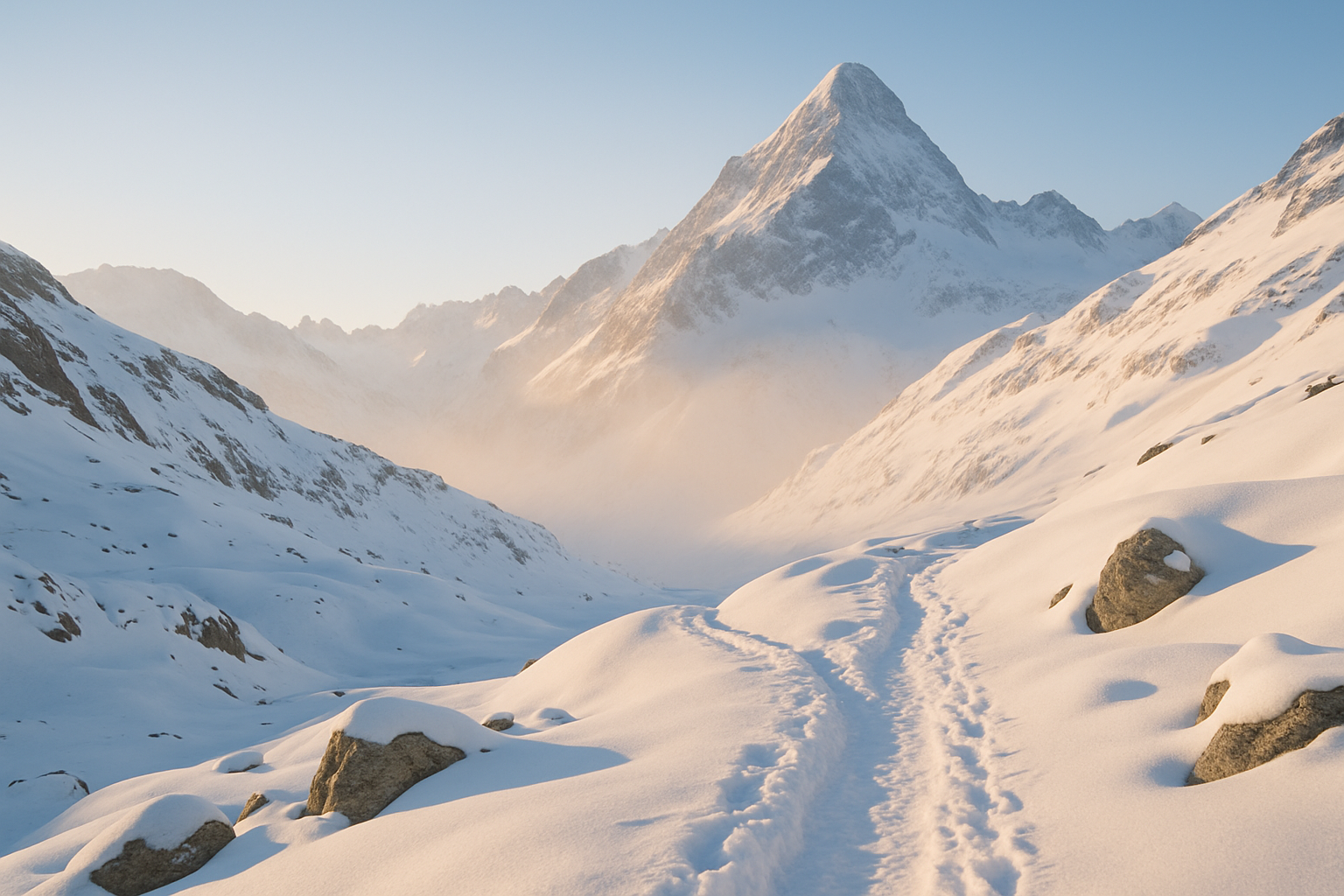
When winter has Tyrol firmly in its grip and the peaks glisten white, the best weeks for ski touring begin in the Stubai Alps. Between glacial landscapes, deep snow-covered valleys, and expansive cirques, you'll find a selection of tours that is second to none. Whether you're a beginner on the Hoher Burgstall or an experienced alpinist on the Zuckerhütl and the Ruderhofspitze – in this guide, we present the best ski tours in the Stubai Alps. Included: elevation gain, hiking times, difficulty levels, equipment tips, and safety rules. Ready for your next ski adventure?
- 1. Why the Stubai Alps are ideal for ski touring
- 2. The best ski tours in the Stubai Alps (Top 10 routes)
- 3. Requirements & Difficulty Levels at a Glance
- 4. Safety on ski tours in Tyrol
- 5. The right ski touring equipment for the Stubai Alps
- 6. Comparison table: Tour characteristics at a glance
- 7. Expert tips & how to avoid common mistakes
- 8. FAQ: Ski tours in the Stubai Alps
- 9. Conclusion: The mountains are calling – when will you start your adventure?
Why the Stubai Alps are ideal for ski touring
A variety of routes – from glaciers to the tree line
The Stubai Alps' touring area ranges from gentle pre-alpine slopes and striking valley flanks to high-alpine glaciers, far removed from mass tourism. This diversity allows for a variety of ski tours – from short and leisurely like the Hohe Burgstall to technically demanding ones like the Ruderhofspitze .
Location & Accessibility – an alpine region in the heart of Tyrol
The Stubai Alps boast excellent infrastructure. Located just 45 minutes from Innsbruck, you can easily reach starting points like the Schlick 2000 valley station, the Mutterbergalm, or the Franz-Senn-Hütte by bus or car. Parking is generally available – sometimes free of charge.
Snow reliability and season (December to May)
Thanks to its high altitude (many tours start above 1,500 m) and the glacial ice surrounding the Stubai Glacier, the region is considered particularly snow-sure. The season starts in December and often extends into May – especially for glacier tours like the Zuckerhütl .
- High snow reliability until late spring
- Short access routes thanks to nearby infrastructure
- Wide selection of tours for beginners to experts
- Panoramic views of the glacier region
- Huts as base camps for multi-day tours
The best ski tours in the Stubai Alps (Top 10 routes)
For beginners: Easy tours with low risk
Ideal for getting started in the world of ski touring – low avalanche risk, manageable altitude gains, good orientation.
Hoher Burgstall (2,611 m)
- Start: Kreuzjochbahn mountain station, Schlick 2000
- Elevation gain: approx. 800 m
- Duration: 3–4 hours
- Difficulty: easy
- Special feature: Popular classic in the lower Stubai Valley, ideal for ski touring courses
Gaißkarferner
- Start: Mutterbergalm parking lot (Stubai Glacier)
- Elevation gain: 700–800 m
- Duration: 3–4 hours
- Difficulty: easy
- Special feature: Easy introduction to glacier hiking with moderate risk
For advanced users: More challenging, but doable
Ampritschenkopf (2,559 m)
- Start: Milders (Neustift im Stubaital)
- Elevation gain: approx. 1,050 m
- Duration: 4–5 hours
- Difficulty: medium
- Special feature: A little-traveled tour with a magnificent panorama of the Stubai Valley.
Vordere Grinbergspitze (2,867 m)
- Start: Mutterbergalm valley station
- Elevation gain: approx. 1,100 m
- Duration: 4–5 hours
- Difficulty: medium
- Special feature: Fantastic view into the glacier world
Wildgratscharte
- Start: Oberissalm (Oberbergtal)
- Elevation gain: approx. 1,200 m
- Duration: 4–5 hours
- Difficulty: medium
- Special feature: Classic spring tour with magnificent panoramic views
Lüsener Villerspitze (3,026 m)
- Start: Lüsens in the Sellrain Valley
- Elevation gain: approx. 1,300 m
- Duration: 5–6 hours
- Difficulty: medium-difficult
- Special feature: A hidden gem in spring when avalanche conditions are stable.
For experts: Glacier contact, climbing sections and long ascents
Zuckerhütl (3,507 m)
- Start: Dresdner Hütte or Sulzenauhütte
- Elevation gain: approx. 1,700 m
- Duration: 7–9 hours
- Difficulty: hard
- Special feature: Highest peak in the Stubai Alps – glacier crossing & climbing section
Ruderhofspitze (3,474 m)
- Start: Franz-Senn-Hütte
- Elevation gain: approx. 1,600 m
- Duration: 7–8 hours
- Difficulty: hard
- Special feature: High alpine glacier tour with stunning views – rope protection required
Schrankogel (3,497 m)
- Start: Winnebachseehütte (overnight stay in the hut required)
- Elevation gain: approx. 1,700 m
- Duration: approx. 8 hours
- Difficulty: hard
- Special feature: Technically demanding – ridge traverse with a snow slope
Goshawk (3,277 m)
- Start: Innsbrucker Hütte
- Elevation gain: approx. 1,550 m
- Duration: 7–8 hours
- Difficulty: hard
- Special feature: Combined ski tour with easy rock climbing in the summit area
Requirements & difficulty levels at a glance
Difficulty levels (easy, medium, difficult + glacier)
The rating is based on altitude, terrain, avalanche risk, and technical difficulty. Glacier tours such as those to Zuckerhütl or Ruderhofspitze automatically fall into the high category, even if they are not technically extremely steep.
Alpine requirements: Technique & fitness
Beginners should be able to perform safe kick turns and be capable of ascending at least 800 meters in altitude. Intermediate tours require confident walking in exposed terrain and summit ascents with skis on a backpack. Expert tours also require glacier technique, knowledge of equipment, and mountaineering experience.
Knowledge for tour planning, orientation and slope alignment
The aspect (e.g., south-facing slopes like those on the Zuckerhütl) influences the time of avalanche release and the avalanche danger. Maps, GPS, and elevation profiles help with planning – however, good visibility and a sense of direction are crucial on site.
- Total elevation gain and ascent per hour
- Avalanche risk depending on exposure
- Necessary equipment such as rope or crampons
- Orientation level – marked vs. open terrain
- Tour frequency for risk assessment
Safety on ski tours in Tyrol
Assessing avalanche conditions & avalanche transceiver know-how
Essential: Check the avalanche bulletin at lawine.at – updated daily! Avalanche transceiver training should be refreshed before the season begins. The first snow can be just as dangerous as the spring firn.
Weather, Exposure & Group Behavior
Only start in stable weather with clear visibility. Turning back early in fog, strong temperatures, or if group members are weakening saves lives.
Tour cancellation criteria & error prevention
Especially in midwinter, tours should be avoided if there is fresh or old snow cover or if slope conditions are unclear. Plan alternative routes in advance (e.g., lower elevations).
- Daily check of the avalanche bulletin (e.g., lawine.at)
- Never start without an avalanche transceiver, probe & shovel
- Plan the tour route carefully in advance
- Only start in clear weather and good visibility.
- Consider realistic self-assessment and group dynamics
The right ski touring equipment for the Stubai Alps
Standard equipment and safety equipment
- Touring skis, skins, crampons
- Avalanche transceiver set: device, probe, shovel
- helmet
- Weatherproof clothing + snack/water
- GPS, map, compass
Additional tools for glacier tours & high-altitude tours
- Climbing harness
- 30 m rope (lightweight and portable)
- Crampons and ice axe
Clothing and backpack tips for changing conditions
Layering principle: Base layer, mid layer, windproof outer layer. Pack a light spare shirt, warm gloves, a hat, and a buff. Keep avalanche equipment readily accessible.
Comparison table: Tour characteristics at a glance
| tour | difficulty | Elevation gain | Alpine requirements | Is the avalanche situation critical? | Touring frequency |
|---|---|---|---|---|---|
| Sugar cap | difficult | 1,700 m | Climbing section, rope | Yes, southeast slope | popular |
| hawk | difficult | 1,550 m | Rock climbing | Yes | moderate |
| Wildgratscharte | medium | 1,200 m | no | moderate | quiet |
| High Castle Site | light | 800 hm | Beginner tour | small amount | often committed |
| Gaißkarferner | light | 750 hm | glacier proximity | moderate risk | popular |
The most important information at a glance
- The Stubai Alps offer over 10 top ski tours for all skill levels.
- The best season is from December to May, depending on the type of tour.
- Safety equipment and tour planning are essential
- Glacier and high-altitude tours require special equipment and experience.
- Both popular and quiet routes are available – something for everyone.
FAQ: Ski tours in the Stubai Alps
When is the best time for ski touring in the Stubai Alps?
The season lasts from December to May. For high-altitude tours such as the Zuckerhütl or the Ruderhofspitze, March to May are best – then the glaciers are more stable and the snow conditions reliable.
Which tour is suitable for complete beginners?
The ski tour to the Hohen Burgstall from Schlick 2000 is ideal for beginners. Alternatively, the Gaißkarferner glacier from Mutterbergalm offers an easy glacier tour with good visibility.
Is glacier equipment always necessary?
No. Standard equipment is sufficient for classic tours like Hoher Burgstall or Vorderer Grinbergspitze . Crampons, rope, and harness are mandatory for glacier tours such as Zuckerhütl or Ruderhofspitze .
How can I find up-to-date information on the avalanche situation?
The website lawine.at provides daily updated avalanche reports for Tyrol. These reports differentiate between aspects, snowfall, and danger levels.
Which tour offers the most beautiful panorama?
The Wildgratscharte pass is considered a hidden gem of a scenic spot with views of the Central Alps. The Zuckerhütl peak also offers spectacular panoramic views.
Conclusion: The mountains are calling – when will you start your adventure?
The Stubai Alps are a true ski touring mecca for all skill levels. Here you'll find easy tours like the Gaißkarferner glacier as well as high-alpine challenges like the legendary Zuckerhütl peak . Good preparation, the right equipment, and an accurate assessment of your abilities are crucial. Take your time planning your tour, respect alpine hazards – and then enjoy a winter experience like no other. Now is the perfect time to plan your next ski touring adventure in Tyrol!
Find more Alpine inspiration at Alpsland – sustainable hoodies, T-shirts & accessories for mountain lovers.