



Winter hikes in the Zillertal: Discover the best routes
Winter hikes in the Zillertal: Discover the best routes
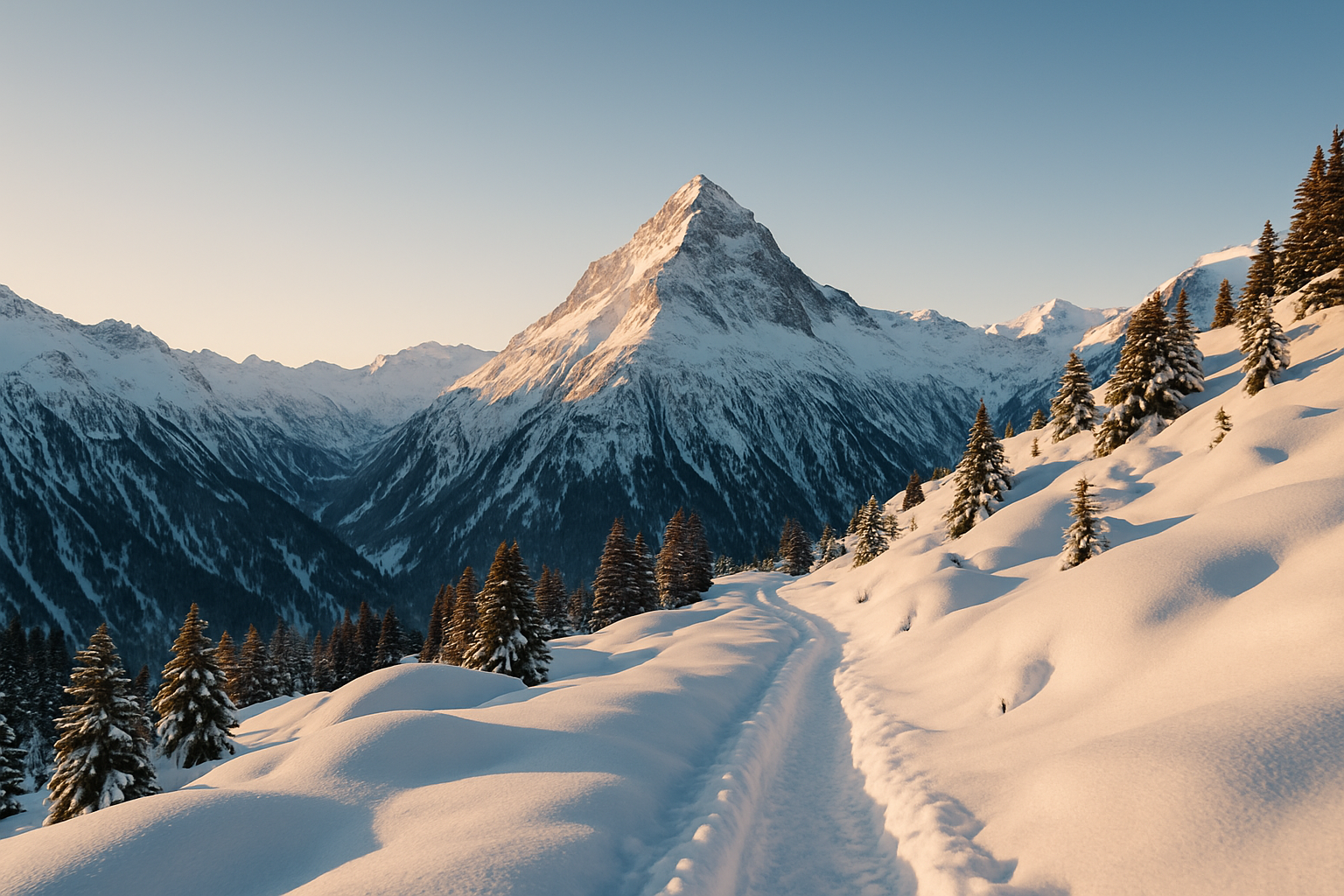
When the Zillertal valley hides under a blanket of white snow, a very special time begins: winter hiking becomes a quiet alternative away from the hustle and bustle of skiing – with breathtaking views, crunching snow under your shoes and cozy huts in the middle of a winter wonderland.
This guide features the best winter hikes in the Zillertal Valley – whether you're looking for a short tour for the whole family or an experienced snowshoe hiker seeking an alpine challenge. Specific examples like the Grieralm, the Rastkogelhütte, and the Kristallhütte showcase the impressive variety of winter hiking trails in the Zillertal .
You will also receive practical tips on equipment, safety and tour planning, as well as a comparison table to help you find the right route.
- 1. Why winter hiking in the Zillertal?
- 2. An overview of the best winter hiking trails
- 3. Snowshoeing in the Zillertal – for adventure seekers
- 4. Recommendations for beginners and families
- 5. Challenging tours for advanced and expert hikers
- 6. Winter hiking in the Zillertal: Tips on equipment & safety
- 7. Comparison table of the most beautiful routes
- 8. Common Mistakes & Winter Hiking Pro Tips
- 9. FAQs about winter hiking in the Zillertal
- 10. Conclusion: A winter wonderland with a fun factor
Why winter hiking in the Zillertal?
Pure winter wonderland: guaranteed snow & mountain views
The Zillertal valley lies nestled between the Tux Alps and the Zillertal main ridge – ideal conditions for winter hiking experiences. Many tours lead above 1,500 meters above sea level and therefore offer a beautiful winter setting even with moderate snow cover.
The season typically lasts from the beginning of December to the middle of March, with higher-altitude regions such as Hochzillertal or the Tuxertal being particularly snow-sure.
Variety of routes: from family-friendly to sporty
- Over 50 kilometers of designated winter hiking trails
- Route variety: easy walks, circular tours to challenging snowshoe trails
- Good signage and partially groomed paths
“Winter hiking in the Zillertal is more than just exercise – it’s slowing down in the heart of a winter paradise.” – Zillertal Tourism
Culinary delight: rustic charm amidst the snow
Whether it's Kaspressknödel on the Grieralm or Kaiserschmarrn in the Kristallhütte – many winter hiking trails lead to rustic or modern places to stop for refreshments that offer culinary delights.
An overview of the best winter hiking trails
1. Winter hike to the Grieralm (easy | beginners)
- Region: Tuxertal
- Start: Hintertux
- Elevation gain: approx. 200 m
- Duration: 1–1.5 hours
- Highlight: A stop at the cozy Grieralm with a view of the Tux Alps
A well-maintained hiking trail leads from Hintertux through the snow-covered winter landscape to the idyllic Grieralm. This easy, family-friendly route is perfect for those seeking a relaxing experience!
2. Winter hike to the Kristallhütte (moderate | advanced)
- Region: Hochzillertal
- Start: Kaltenbach mountain station
- Elevation gain: approximately 400 m
- Duration: 2.5–3 hours
- Highlight: Top panoramic terrace at 2,147 m, upscale mountain hut cuisine
This winter panoramic tour starts at the mountain station of the Hochzillertal ski resort. Good physical condition is required – the reward is a breathtaking view of the Zillertal valley from the mountain huts.
3. Winter hike to the Nasenalm (moderate | advanced)
- Region: Vorderes Zillertal
- Start: Brandberg near Mayrhofen
- Elevation gain: approx. 500 m
- Duration: 2–3 hours
- Highlight: Pristine winter landscape, little frequented
This route is a hidden gem for those seeking peace and quiet. The ascent from the small village of Brandberg to the Nasenalm offers breathtaking views and is usually not crowded.
4. Winter hike to the Rastkogelhütte (difficult | expert)
- Region: Rastkogel area
- Start: Hippach / Kumbichl
- Elevation gain: 800–900 m
- Duration: 4–5 hours
- Highlight: High-alpine snowshoe hike to the hut at 2,117 m
For experienced winter hikers, the ascent to the Rastkogelhütte is the ultimate challenge. Snowshoes are recommended in fresh snow.
5. Winter hike to the Marienberg Chapel circular trail (easy | families)
- Region: Fügen / Vorderes Zillertal
- Start: Add
- Elevation gain: 120 m
- Duration: 1 hour (round trip)
- Highlight: Contemplative path to the small chapel with panoramic views
Ideal for a short winter walk with children. The path is well cleared, flat, and offers wintry views of the valley.
Snowshoeing in the Zillertal – for adventure seekers
What is snowshoeing?
Unlike traditional winter hiking, snowshoeing in the Zillertal takes you off-trail – across fields, alpine pastures, and through deep snow-covered forests. For this, you need snowshoes that support you on the snow surface and prevent you from sinking in.
Snowshoeing = untracked, open winter routes – often with more elevation gain and route finding.
Suitable tours in the Zillertal
Rastkogelhütte (Expert Route)
With an elevation gain of around 900 meters, this tour is ideal for experienced snowshoe hikers. Wide snowshoes are essential in fresh snowfall – the incline and length also demand a good level of fitness.
Steinerkogel Hut (difficult)
- Region: Zillertal Central (Mayrhofen)
- Elevation gain: 700 m
- Duration: 3.5–4 hours
- Highlight: Steep climb with panoramic views, rustic inn
Especially in the upper section, the trail offers ideal conditions for snowshoeing adventures, particularly in fresh powder snow.
Equipment & Safety Aspects
- Snowshoes + winter hiking poles
- Avalanche transceiver (beacon), probe & shovel (in open terrain)
- GPS track / Offline map
- Thermos flask, hat & change of underwear
Recommendations for beginners and families
Easy winter hikes with children
- Grieralm: gentle route with a stop at a mountain hut
- Tux Valley Loop: well-maintained circular path along the stream, suitable for strollers
- Marienberg Chapel: Walking trail with the chapel as a highlight
Stroller-friendly paths & play areas
The Tux Valley loop starting in Lanersbach is particularly flat, well-maintained, and offers play areas for children and rest stops in the valley. The Grieralm tour is also manageable with an all-terrain stroller.
Tip: Combine with the horse-drawn sleigh option
You can take a horse-drawn sleigh to the Höllenstein Hut upon request – a special experience for families. The ascent takes approximately 2 hours on foot (450 meters of elevation gain) from Juns.
Challenging tours for advanced and expert hikers
Worthwhile elevation gain
- Nasenalm: 500 m elevation gain, quiet route with views
- Steinerkogel Hut: 700 m elevation gain, steep ascent
- Rastkogelhütte: up to 900 meters of elevation gain, alpine challenge
Less frequented winter routes
The Nasenalm is perfect for hikers seeking peace and quiet – even on sunny days it's usually very quiet here. The path to the Steinerkogel Hut also runs far away from the noise of the ski slopes.
Snowshoeing tips for professionals
- Start early – from midday onwards the snow can become soft and difficult to walk on.
- Always check the current avalanche warning situation on uncleared paths.
- Plan with maps / Komoot offline function – mobile reception is often unreliable
Winter hiking in the Zillertal: Tips on equipment & safety
Recommended equipment overview
- Waterproof, warm hiking boots with good tread
- Walking sticks with winter baskets
- Gaiters in fresh snow
- Warm layers + windproof jacket
- GPS tracker or app (e.g. Komoot, Outdooractive)
- Headlamp & thermos flask
Safety in the snow: Weather conditions & emergency tips
- Check the weather situation daily (avalanche warning level 1–5)
- Never go snowshoeing without a partner.
- Phone fully charged + offline maps
Comparison table of the most beautiful routes
| tour | difficulty | Elevation gain | Length of time | Stop for refreshments | Child-friendly | Panoramic view | Without a cable car? | Snow-sure (high altitude) |
|---|---|---|---|---|---|---|---|---|
| Grieralm | Light | 200 m | 1–1.5 h | Yes | Yes | Yes | Yes | Medium |
| Crystal Hut | Medium | 400 m | 2.5–3 h | Yes | No | Yes | No | High |
| Nasalm | Medium | 500 m | 2–3 h | No | No | Yes | Yes | High |
| Höllenstein Hut | Medium | 450 m | 2 h | Yes | Yes (with a sled) | Limited | Yes | Medium |
| Rastkogelhütte | Difficult | 800–900 m | 4–5 h | Yes | No | Yes | Yes | Very high |
| Marienberg Chapel | Light | 120 m | 1 h | No | Yes | Yes | Yes | Medium |
Common Mistakes & Winter Hiking Pro Tips
Avoid typical beginner mistakes
- Leaving too late – always plan for an early return
- Unsuitable footwear (tread, waterproofing)
- Forgot offline maps
- No headlamp with me – darkness falls quickly.
- Ignoring avalanche warnings on snowshoe tours
Expert tip:
"Don't just rely on time estimates – it takes longer in the snow. Emergency equipment belongs on every tour." – Local hiking guide from Mayrhofen
FAQs about winter hiking in the Zillertal
When is the best time for winter hikes in the Zillertal?
The best time is between the beginning of December and mid-March. Particularly stable conditions prevail on clear, frosty days under high pressure. Higher-altitude tours, such as those to the Kristallhütte or Rastkogelhütte, often remain snow-sure until April.
Do I need snowshoes for winter hiking?
For groomed winter hiking trails like those to the Grieralm or Karspitzhütte, you generally don't need snowshoes. However, for sections with deep snow, such as those to the Rastkogelhütte or Steinerkogel, we strongly recommend snowshoes or crampons.
Are winter hiking trails in the Zillertal valley signposted?
Yes – many trails are marked with yellow hiking signs, maps, and symbols. Family-friendly routes, such as those to the Marienberg Chapel, Grieralm, or along the Tux Valley Loop, are particularly well signposted.
Can I reach the starting points by public transport?
Many starting points are accessible by Zillertalbahn railway or bus, e.g. Fügen (Marienberg Chapel), Mayrhofen (Steinerkogel, Nasenalm), or Hintertux (Grieralm). Especially during peak season, a car is not absolutely necessary.
Are there guided winter hikes?
Yes – local tourism associations regularly offer guided hikes or snowshoe tours with certified guides. Find out more from Zillertal Tourism or via the Zillertal app.
How do I find out if a route is open?
Up-to-date information is available on the official Zillertal website , the Zillertal app, or at local tourist information offices. Outdooractive and Komoot also often show daily updates on road closures.
Conclusion: A winter wonderland with a delightful atmosphere
Winter hiking in the Zillertal Valley combines nature, exercise, and genuine relaxation in one of Austria's most beautiful winter regions. Whether you take a leisurely stroll to the Grieralm, seek the tranquility of the Marienberg Chapel Trail, or climb to the Rastkogelhütte on snowshoes – every hiking enthusiast will find their perfect tour here.
Do your research, make sure you have the right equipment, and let yourself be enchanted by the winter stillness and breathtaking scenery of the Zillertal Alps. Time to get outdoors – and rediscover winter.
The most important information at a glance
- The Zillertal valley offers winter hiking trails for every level – from Grieralm to Rastkogelhütte
- Family-friendly tours: Grieralm, Marienberg Chapel, Tux Valley Circuit
- Best season: December to mid-March – snow guaranteed above 1,500 m
- Proper equipment and a weather check are essential.
- Snowshoeing: Steinerkogel & Rastkogel for experienced hikers
Find more Alpine inspiration at Alpsland – sustainable hoodies, T-shirts & accessories for mountain lovers.