






Ski tours in the Zillertal: The best routes for the start of winter
Ski tours in the Zillertal: The best routes for the start of winter
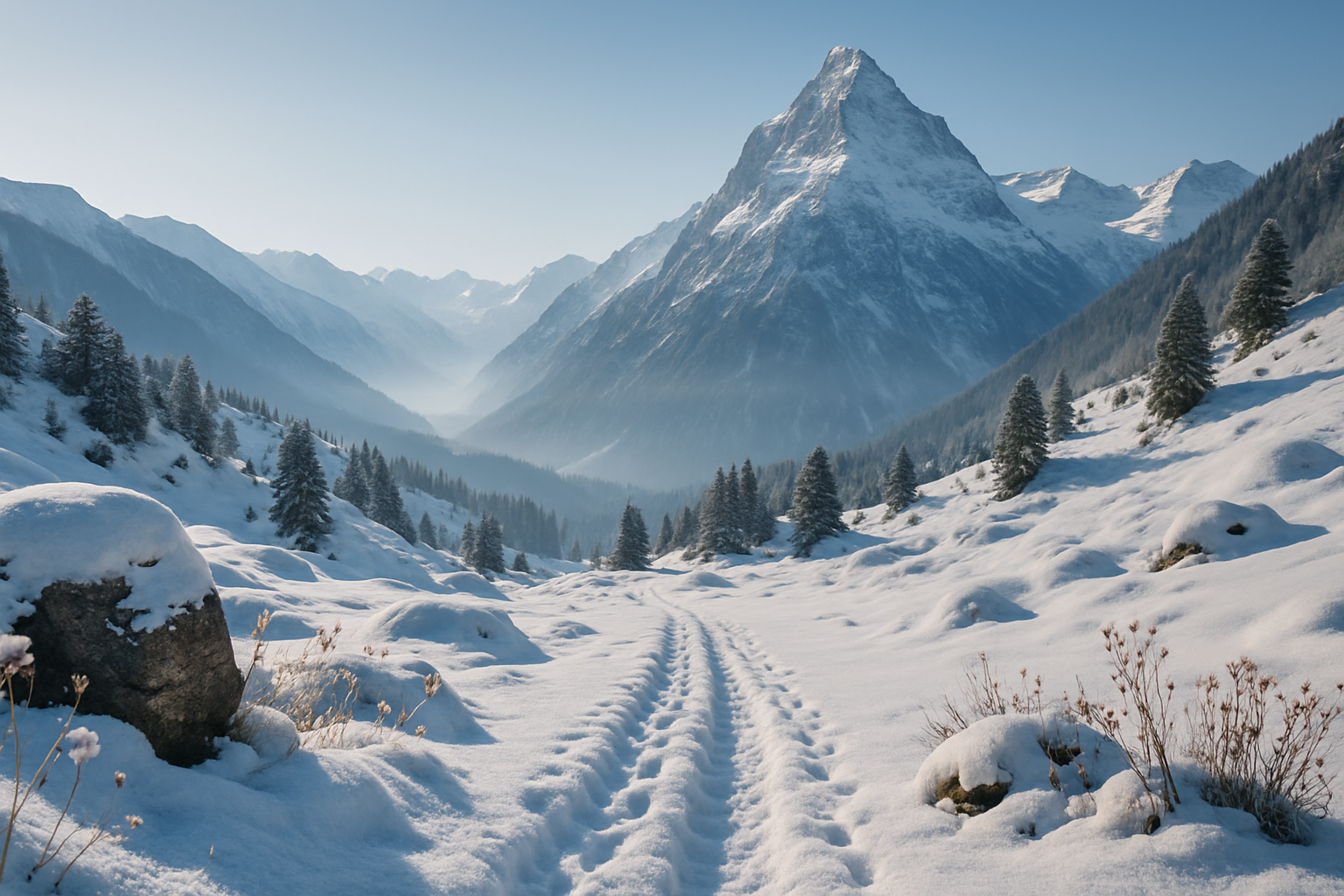
Fresh snow, clear visibility, and untouched slopes – that's the start of winter in the Zillertal. Especially in the first weeks of the ski touring season, the region entices visitors with safe routes, easily accessible starting points, and reliable snow cover at higher elevations. Whether you're planning your first ski tour or want to tackle challenging classics, the Zillertal offers something for everyone. In this article, we present the best ski tours in the Zillertal for the start of the season – with specific tour tips, detailed elevation gains, estimated times, and everything else you need for your planning.
From the easy beginner tour to the Kleiner Gilfert to the high alpine glacier route to the Kraxentrager – here you will find the perfect tour for the start of winter.
- Why the Zillertal is perfect for winter ski tours
- Ski touring for beginners: A safe start in the Zillertal
- Advanced ski tours in the Zillertal: Challenging but rewarding
- Challenges for experts: High alpine routes with glacier contact
- Route comparison: Which tour suits you best?
- Packing list for ski tours in November
- Safety: The 7 most important rules
- Arrival and parking
- Best time and weather
- FAQ: Ski tours in the Zillertal
- Conclusion: A promising start to winter
Why the Zillertal is perfect for winter ski tours
Geographical location & snow reliability
The Zillertal valley lies south of the Inn valley in Tyrol and is surrounded by the Tux Alps, the Tux Main Ridge, and the Zillertal Main Ridge – ideal conditions for early winter tours. Especially from mid-December onwards, you can expect stable old snowpacks and fresh snowfall on the north-facing slopes around Hochfügen, Weerberg, or Hintertux.
Tour variety for all skill levels
Whether you're embarking on your first ski tour or are an alpine veteran – the Zillertal offers beginner tours like the Kleiner Gilfert , but also high alpine adventures like the Grinbergspitze or the Hoher Riffler .
Accessibility & Infrastructure
Thanks to excellent transport links (e.g., Achensee feeder road, Zillertalbahn railway + buses), you can reach tour starting points like Hochfügen, Innerst (Weerberg) or Hintertux even without a car. Modern parking lots, as well as places to stop for refreshments and mountain huts, ensure comfort throughout your tour.
- High altitude and guaranteed snow from December
- Extensive touring area from the Tux Alps to the Zillertal main ridge
- Easy access by car or public transport
- High density of beginner tours with safe conditions
Ski touring for beginners: A safe start in the Zillertal
Kleiner Gilfert – The ideal mountain for beginners
At 2,388 meters high, with an ascent of around 800–900 meters and a hiking time of about 3–4 hours, the Kleine Gilfert near Weerberg is a classic for ski touring beginners. The wide slopes are avalanche-safe, navigation is easy, and the north-facing slopes are often well covered in snow early in winter.
Sonntagsköpfl – Short, safe and promising
With only 600–700 meters of elevation gain and a hiking time of 2–3 hours, the Sonntagsköpfl near Hochfügen is perfect for first-time hikers or a quick day trip. The route is also manageable in poor visibility, as it leads partly through open woodland. The view into the Finsingbach valley rewards the short climb.
Pfennigberg – Perfect for early season starts
The route to the Pfennigberg (2,158 m) starts in Innerst or Navis and leads in 2–3 hours over an altitude difference of around 700 meters to a gentle summit ridge. The tour is avalanche-safe and particularly popular in the early winter months, as the snow lingers here for a long time.
What beginners should know
Start early, before the sun softens the snow. Get a good ski touring map (e.g., the Alpine Club map of the Tux Alps 1:25,000) and never go without avalanche transceiver equipment. Complete beginners should consider a guided tour or a course offered by the Alpine Club – especially regarding avalanche safety.
| tour | Height (m) | Elevation gain | Length of time | Starting point | Highlights |
|---|---|---|---|---|---|
| Little Gilfert | 2,388 | 800–900 | 3–4 hours | Innerst (Weerberg) | Wide slopes, avalanche-safe |
| Sunday head | 2,248 | 600–700 | 2–3 hours | Hochfügen – Parking lot | Feasible even in poor visibility |
| Pfennigberg | 2,158 | 700 | 2–3 hours | Navigation / Innerst | Ideal early winter tour |
Advanced ski tours in the Zillertal: Challenging but rewarding
Gilfert – The Panorama Classic
At 2,506 meters and with an elevation gain of around 1,200 meters, the Gilfert is one of the best ski tours in the western Zillertal valley. The starting point is also Innerst near Weerberg. The tour requires some stamina and avalanche knowledge, but rewards you with a panoramic view from the Inn Valley to the main Alpine ridge.
Wetterkreuzspitze – For connoisseurs with stamina
The Wetterkreuzspitze (2,591 m) requires an ascent of around 1,000 meters and 4–5 hours – technically not complex, but with long, exposed slopes. On a clear day, the summit offers a breathtaking view across the Tux Alps.
High Head – Great alternative at avalanche level 2
The tour to the Hoher Kopf (2,373 m) also starts in Hochfügen and leads over 900–1,000 meters of elevation gain in 3–4 hours to a gently sloping ridge. This route is particularly popular when the avalanche warning level is still high – good terrain and safe exposure make it attractive.
- 1,000–1,200 meters of elevation gain
- Technically easy, but longer climbs
- Some avalanche knowledge is required.
- Mostly untracked sections
- Diverse downhill options
Challenges for experts: High alpine routes with glacier contact
Kraxentrager – Almost 3,000 meters high
This high-alpine tour starts at the Breitlahner inn near Hintertux and leads across the Schlegeiskees glacier to the Kraxentrager summit (2,999 m). The approximately 1,400 meters of elevation gain and 6–7 hours of ascent require glacier equipment and alpine experience. The route is relatively crevasse-free.
High Riffler – Tuxer Königsgipfel
At 3,231 m, the Hohe Riffler is the highest peak in the Tux Alps. Depending on the starting point (Hintertux valley station or cable car mid-station), you can expect 1,600–1,800 meters of elevation gain and a hike of 7–8 hours. The route leads across high alpine terrain below the Rifflerferner glacier.
Grinbergspitze – For experienced and solitary hikers
A less frequented but impressive tour: You can reach the Grinbergspitze (2,867 m) via the Zillergrund valley . With 1,400 meters of elevation gain, steep slopes, and often long sections of track, you should be fit and sure-footed. Ideal for powder hounds in spring.
Hirzer – a hidden gem in the Zemmgrund
The tour to the Hirzer (2,725 m) begins at the Pfitschkopf parking lot in the Stillup Valley and leads through a secluded, high-alpine landscape. The ascent involves 1,350 meters of elevation gain and takes approximately 5–6 hours. The reward: rarely skied powder slopes and plenty of peace and quiet.
| tour | Height (m) | Ascent | Length of time | region | Special features |
|---|---|---|---|---|---|
| Backpack carrier | 2,999 | 1,400 m | 6–7 hours | Hintertux / Schlegeiskees | Glacier, with few crevasses |
| High Riffler | 3,231 | 1,600–1,800 m | 7–8 hours | Hintertux | Highest peak, cable car option |
| Grinbergspitze | 2,867 | 1,400 m | 6–7 hours | Zillergrund | Steep descent, lonely |
| Hirzer | 2,725 | 1,350 m | 5–6 hours | Zemmgrund | Less frequented, alpine |
Route comparison: Which tour suits you best?
| Route name | difficulty | Elevation gain | Length of time | Best for |
|---|---|---|---|---|
| Little Gilfert | light | 800–900 | 3–4 hours | Beginners |
| Sunday head | light | 600–700 | 2–3 hours | Beginners and those who decide at the last minute |
| Pfennigberg | light | 700 | 2–3 hours | Early starter |
| Gilfert | medium | 1,200 | 4–5 hours | Advanced with stamina |
| High head | medium | 1,000 | 3–4 hours | Safety-conscious individuals with LWS 2 |
| Backpack carrier | difficult | 1,400 | 6–7 hours | Alpine-experienced glacier hikers |
| Hirzer | difficult | 1,350 | 5–6 hours | Lonely connoisseurs |