
Winter hiking in the Zillertal: routes, tips & highlights
Winter hiking in the Zillertal: The best routes, tips & highlights
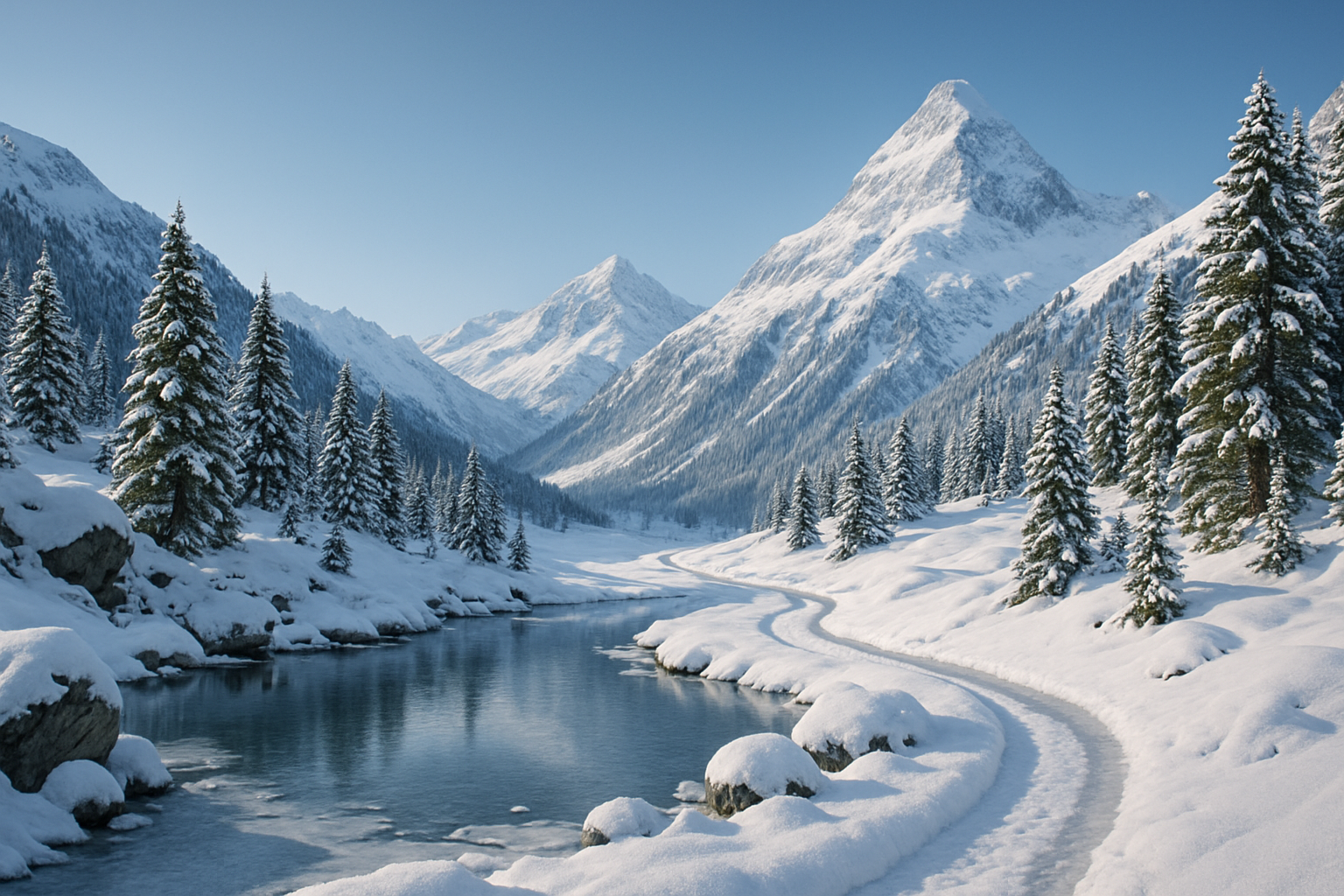
When the Zillertal Valley is blanketed in snow, it transforms into a winter wonderland for those seeking tranquility in nature away from the ski slopes. Winter hiking, especially between December and March, is an ideal way to combine exercise and relaxation. This guide showcases the most beautiful winter hiking trails in the Zillertal, categorized by difficulty and panoramic views, provides winter safety tips, and helps you choose the right equipment. Whether you're looking for a leisurely stroll around Lake Schlitterer or a challenging climb to the Gerlossteinwand, you'll find specific route suggestions with all the details here.
- 1. The most beautiful winter hiking trails in the Zillertal
- 2. Winter hiking for every level: Easy, Moderate, Difficult
- 3. Tips for safe winter hiking
- 4. The right equipment for winter tours
- 5. Comparison of the most beautiful routes at a glance
- 6. Avoid common mistakes – Pro tips from a professional
- 7. FAQ – Your most important questions answered
- 8. Conclusion: Experience winter hiking in the Zillertal
The most beautiful winter hiking trails in the Zillertal
1. Winter hike to the Grieralm
- Duration: approx. 1.5 hours (round trip)
- Difficulty: easy
- Elevation gain: approx. 200 meters
- Starting point: Lanersbach town center (Tuxertal)
- Highlights: Idyllic Grieralm with refreshments, sunny route, pristine snowscape
- Target audience: Beginners, families
- Season: December to March
This hike takes you from the heart of Tux-Lanersbach along a well-maintained forest road to the charmingly snow-covered Grieralm. Especially atmospheric in the morning sun – ideal for a relaxed half-day tour. Child-friendly and staffed (depending on snow conditions).
2. Panoramic tour Gerlosstein
- Duration: approx. 2 hours
- Difficulty: medium
- Elevation gain: approx. 300 meters
- Starting point: Gerlossteinbahn mountain station, Hainzenberg
- Highlights: Panoramic views of the Zillertal Alps, nearby toboggan run, sunny high plateau
- Target group: Advanced winter hikers
- Season: December to March
Starting from the mountain station, this scenic loop trail winds its way across a gently rolling plateau. The 360° views of the Zillertal valley from this elevated position are particularly impressive. A perfect combination with a toboggan ride back down to the valley!
3rd Winter Hike Mayrhofen – Ginzling
- Duration: 2.5–3 hours
- Difficulty: medium
- Elevation gain: approx. 350 meters
- Starting point: Mayrhofen train station
- Highlights: Romantic tranquility in the Stillup Valley, impressive mountain scenery, hardly frequented
- Target audience: Connoisseurs & advanced users
- Season: December to March
A hidden gem: Hike along the snow-covered road to Ginzling and you'll find yourself almost alone through the deep snow of the Stillup Valley. No tourist crowds, just pure nature. Returning by bus is also possible (depending on the timetable).
4. Maple Plateau Winter Hike
- Duration: approx. 2 hours
- Difficulty: medium
- Elevation gain: Circular route with approx. 250 meters
- Starting point: Ahornbahn mountain station, Mayrhofen
- Highlights: Magnificent views over the Zillertal valley, "Adlerblick" viewing platform
- Target audience: Advanced users with an affinity for panoramas
- Season: December to March
After taking the Ahorn cable car up, you hike across the sun-drenched Ahorn plateau. The highlight: the "Adlerblick" (Eagle's View), a walkable platform with a view of the Ahornspitze peak – ideal for photo breaks.
5. Zell am Ziller – Gerlossteinwand circular hike
- Duration: approx. 4 hours
- Difficulty: hard
- Elevation gain: approx. 700 meters
- Starting point: Gerlossteinbahn valley station, Zell am Ziller
- Highlights: High alpine panoramic views, distinctive rocky peaks, challenging climb
- Target group: Experienced mountain hikers
- Season: February to March
A challenging but rewarding tour: After the cable car ride up, you can hike to the Gerlossteinwand via marked trails. The circular route across the plateau requires sure footing but rewards you with impressive views and a true mountain experience.
Winter hiking for every level: Easy, Moderate, Diffic
1. Easy winter hikes in the Zillertal
Ideal for beginners, families, and those who enjoy a leisurely ride. These routes are wide, well-maintained, and mostly without any significant inclines.
-
Winter hike Schlitters – Schlitterer See
Duration: 1 hour | Elevation gain: 100 meters | View: Idyllic lake and valley views | Refreshments: Lakeside café (open seasonally) -
Brandberg Dorf – Steinerkogel
Duration: 1.5–2 hours | Elevation gain: 250 meters | Views: Nature trails & valley panorama | Refreshments: Alpengasthof Steinerkogel (open upon request)
2. Moderate routes with panoramic views
For sure-footed hikers with normal fitness, these tours already offer alpine views and moderate ascents.
-
Gerlosstein panoramic tour
Duration: 2 hours | Elevation gain: 300 meters | View: Zillertal main ridge | Refreshments: Berghotel Gerlosstein -
Winter hike Hochzillertal – Marendalm
Duration: 1.5–2 hours | Elevation gain: 300 meters | View: Towards the Hintertux Glacier | Refreshments: Stylish huts such as the Kristallhütte (approx. 10-minute detour)
3. Challenging tours for experts
-
Eggalm – Rastkogelhütte
Duration: 3–3.5 hours | Elevation gain: 600–700 meters | View: High alpine terrain | Refreshments: Rastkogelhütte (open seasonally) -
Zell am Ziller – Gerlossteinwand
Duration: 4 hours | Elevation gain: approx. 700 meters | View: Over the entire valley | Refreshments: only available at the beginning/end
Tips for safe winter hiking
1. Weather, time of day & avalanche conditions
Always plan your tour so that you are back before nightfall. Check the current avalanche report for Tyrol – even marked trails like the one to the Gerlossteinwand can be dangerous after fresh snowfall.
2. Orientation & Route Planning
Use digital maps like Komoot or Outdooractive – alternatively, you can get detailed maps with marked winter trails from the tourism association.
3. Behavior during sudden weather changes
Dress warmly in layers (onion principle) and turn back early if wind, visibility or cold increases.
Safety checklist:
- Only go on marked routes
- Check the avalanche report
- Carry a mobile phone with the emergency number (140) with you.
- Pack a thermos, snacks & a headlamp
- When in doubt: book a guided tour
The right equipment for winter tours
1. Winter Must-Haves
- Waterproof hiking boots with good tread
- Functional underwear, fleece & waterproof jacket (layering principle!)
- Hat, gloves, scarf
2. Additional equipment for difficult conditions
- Spikes/crampons (e.g. for icy patches towards Ginzling)
- Gaiters for deeper snow
- Hiking poles with snow baskets
3. Transport & Weight – What can go in the backpack?
- Compact backpack with thermos flask, muesli bars, first aid kit
- Optional: Sunscreen & sunglasses at sunny high altitudes
Overview of the most beautiful routes: a comparison
| route | difficulty | Elevation gain | Length of time | Avalanche danger | Place to stop for refreshments | panorama | Public transport accessible |
|---|---|---|---|---|---|---|---|
| Grieralm | light | 200 | 1.5 h | small amount | Yes | medium | Yes |
| Gerlosstein round | medium | 300 | 2 h | moderate | Yes | high | Yes |
| Eggalm – Rastkogelhütte | difficult | 700 | 3–3.5 h | high | Yes | very high | Yes |
| Zell – Gerlossteinwand | difficult | 700 | 4 h | high | Limited | very high | Yes |
| Schlitters Lake | light | 100 | 1 h | small amount | Yes | medium | Yes |
Avoid common mistakes – pro tips from a professional
- Setting off without a plan: Check the route, duration & elevation gain – don't underestimate it, for example, on the Eggalm tour!
- Inappropriate clothing: Avoid cotton in freezing temperatures – wear breathable layers instead.
- Starting too late: It gets dark early in winter – better to leave before 10 a.m.
- Lack of avalanche knowledge: Even on "hiking trails" it can be dangerous – as on the Gerlossteinwand circular tour.
- No emergency equipment: At least take a mobile phone, a lamp and spare clothing!
The most important information at a glance
- The Zillertal valley offers winter hiking trails for every level – from easy to challenging.
- Pay attention to safety: check avalanche reports, start early, and bring appropriate clothing.
- Top routes: Grieralm (easy), Gerlossteinrunde (medium), Rastkogelhütte (difficult).
- Best time: December to March – depending on weather and snow depth.
- Essential items to bring: warm clothing, winter boots with good tread, hiking poles & a water bottle.
FAQ – Your most important questions answered
When is the best time of year for winter hiking in the Zillertal?
The main season for winter hiking is between December and March , although the best time can extend into mid-March depending on snow conditions. Some lower-lying routes – such as the one to Lake Schlitterer – are sometimes accessible as early as the end of November. Always check the avalanche report beforehand!
Do I need special equipment for easy winter hikes?
For routes like the one to the Grieralm or the Schlitterer See , sturdy, warm clothing , winter boots with good tread, as well as a hat, scarf and gloves are sufficient. Hiking poles increase sure-footedness – especially on steep or icy sections.
Can I go snowshoeing in the Zillertal valley?
Yes! You can find special snowshoe routes, for example, in Hochfügen or around the Rastkogelhütte . Many rental shops in Kaltenbach, Fügen, or Mayrhofen offer suitable equipment. Guided tours can also be booked.
How do I find marked winter hiking trails?
The official trails are marked with red signs . Tourist offices in the Zillertal valley provide free maps. Alternatively, you can find all tours with GPS tracks on Bergfex, Komoot, or Outdooractive .
Are there guided winter hikes in the Zillertal?
Yes. Especially in Mayrhofen, Hochzillertal, and Finkenberg, you can book guided hikes – including snowshoe hikes. Ideal for beginners and anyone who wants to learn background information about the region.
Are the paths suitable for strollers?
Some easy paths, such as the walking trail to Lake Schlitterer or along Lanersbach, are well-suited for families. However, please note: In heavy snowfall, an all-terrain stroller with large wheels is recommended.
Conclusion: Experience winter hiking in the Zillertal
The Zillertal Valley is not just a winter sports region – it's also a tranquil and enjoyable retreat for winter hikers. The tours range from easy valley loops for beginners to challenging alpine hikes with panoramic views, such as the one to the Rastkogelhütte mountain hut. With proper planning, weatherproof clothing, and an eye on the avalanche situation , you can enjoy a safe winter idyll here, including stops at rustic mountain huts. Let the snowy landscape work its magic on you – step by step – and discover your personal winter highlight on a hike in Tyrol's most beautiful valley.
Find more Alpine inspiration at Alpsland – sustainable hoodies, T-shirts & accessories for mountain lovers.