
Winter hiking in the Alps: The best routes and tips for 2023
Winter hiking in the Alps: The best routes and tips
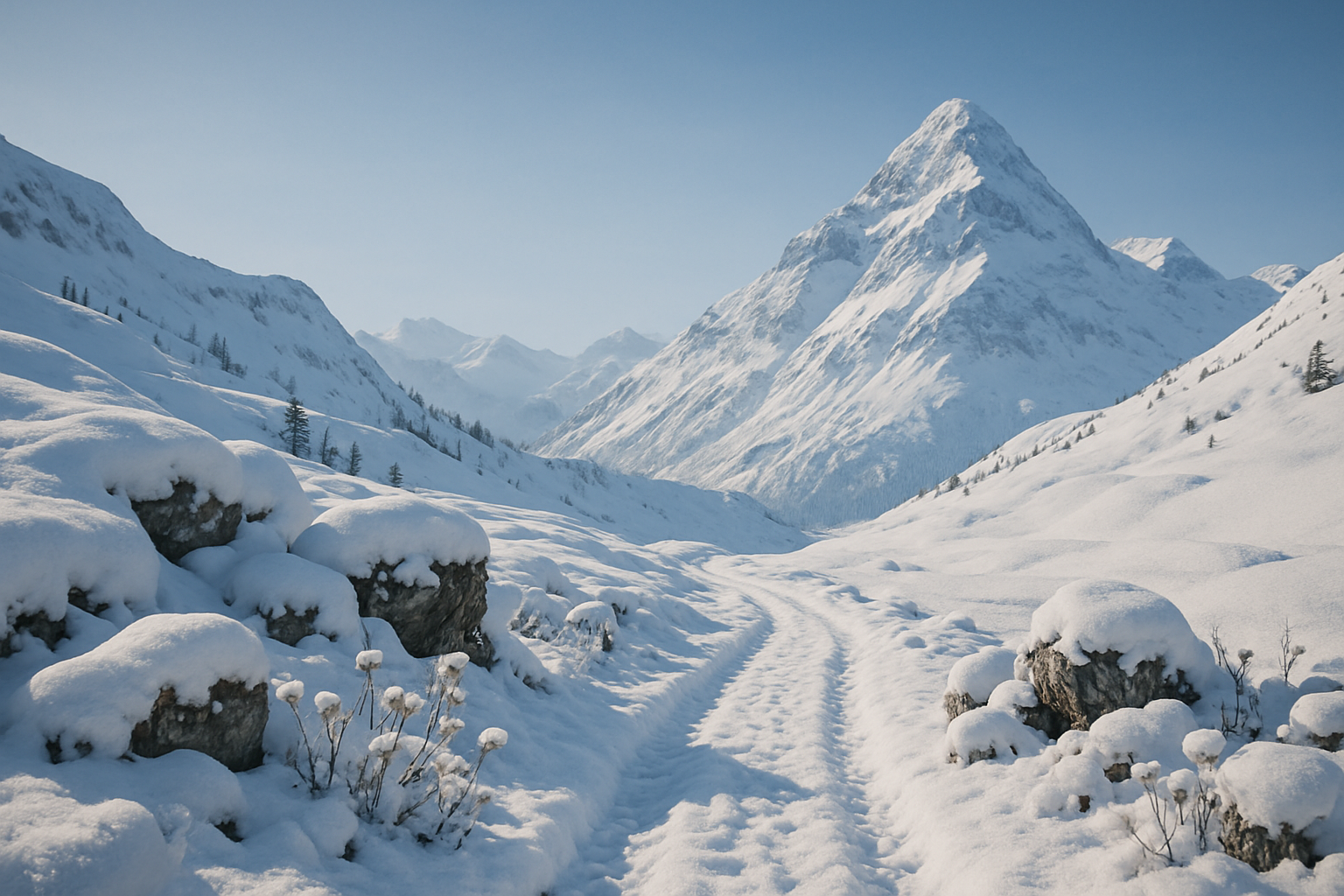
Winter hiking in the Alps is becoming increasingly popular – and for good reason. The snow-covered landscapes, crisp mountain air, and well-groomed winter hiking trails offer pure enjoyment of nature – without skis. Whether a leisurely stroll on panoramic high-altitude trails or a challenging tour with significant elevation gain: beginners and experienced hikers alike will find unforgettable winter experiences in the Alps. In this article, we present the best winter hiking routes, provide essential winter hiking tips, and discuss the appropriate equipment. We also include a handy comparison chart, common mistakes, and FAQs for a safe winter hike.
- 1. Why winter hiking in the Alps?
- 2. The most beautiful winter hiking routes in the Alps
- 3. The right equipment for winter hiking
- 4. Safety while winter hiking: What you should be aware of
- 5. Comparison: Which winter hiking route suits you?
- 6. Avoid typical mistakes + Pro tips
- 7. FAQs about winter hiking in the Alps
- 8. Conclusion
Why winter hiking in the Alps?
Health benefits & mental peace
Winter hiking strengthens the immune system, promotes cardiovascular health, and acts like a mobile meditation: The steady movement in snowy silence noticeably improves mental well-being. Especially during the cold season, clear air and exercise in nature offer a welcome break from everyday life.
Sustainable nature experience away from the ski slopes
While many winter sports require significant energy and resources, winter hiking needs very little infrastructure. Many routes are accessible by train or bus and follow existing paths. This allows you to enjoy great nature experiences with a small carbon footprint.
Suitable for all fitness levels
Whether a compact loop with minimal incline or a challenging high-altitude tour with snowshoes: winter hiking offers suitable options for every fitness level. Even children and seniors can find trails that are safe and varied.
- Lower risk of injury than skiing
- No expensive equipment required
- Ideal for families and seniors
- Quiet alternatives to ski slopes
The most beautiful winter hiking routes in the Alps
Easy tours for beginners
Rigi Kaltbad – Rigi Scheidegg Panorama Trail (Central Switzerland)
This panoramic route on Mount Rigi offers a relaxing winter hike with spectacular views of Lake Lucerne. The route from Rigi Kaltbad to Rigi Scheidegg is approximately 3.5 km long, follows well-maintained paths, and involves an elevation gain of only 100–200 meters . The hike takes between 1.5 and 2 hours . Ideal for families and seniors.
Seiser Alm – Compatsch – Saltria (South Tyrol, Italy)
Wide winter hiking trails lead from Compatsch to Saltria, traversing Europe's largest high-altitude alpine pasture. The views of the Dolomites are breathtaking. The trail ascends 150 meters and, despite taking 2.5–3 hours , is technically easy. The route is particularly suitable for beginners with a good level of fitness.
Tegernsee High Trail (Bavaria, Germany)
From Tegernsee train station, you can embark on a leisurely winter walk with views of the lake. The path is well-maintained, mostly cleared, and covers an elevation gain of approximately 180 meters in 1.5 to 2 hours . Perfect for a half-day outing in peaceful nature.
Hahnenmoos Winter Hiking Trail (Bernese Oberland, Switzerland)
Start at the Betelberg mountain station near Lenk and hike for approximately 1 to 1.5 hours with an elevation gain of 150 meters across the Hahnenmoos, always accompanied by the Wildstrubel panorama. Family-friendly, entertaining, and scenic.
Winter hike Schöneben – Rojen (South Tyrol, Italy)
Starting from the Schöneben valley station , this easy tour leads through snow-covered high plateaus. The circular route takes two hours , with a moderate 200 meters of elevation gain, and impresses with its secluded atmosphere and stunning panoramic views – a true insider tip for those seeking peace and quiet.
Intermediate routes for advanced climbers
Winter hike Arosa–Maran–Prätschli (Graubünden, Switzerland)
This circular hike starts at the train station in Arosa and leads along snow-covered forest paths to Maran and Prätschli . The tour takes 2–2.5 hours and involves an elevation gain of 350 meters . Thanks to its high altitude, it is particularly snow-sure . Refreshments are available in Maran and Prätschli.
Winter hiking trail Partnun (Graubünden, Switzerland)
Starting from St. Antönien, at the Rüti parking lot , you ascend over 400 meters in altitude on snow-covered natural trails through the valley to Partnun in about 2-3 hours . The wild landscape of this tour exudes pristine Alpine charm – perfect for more experienced hikers seeking unspoiled nature.
Gaislachkogel Winter Hiking Trail (Ötztal, Tyrol)
Starting from the Gaislachkogl cable car's middle station, this groomed winter hike leads along spectacular viewpoints overlooking the Ötztal 3000-meter peaks. You'll cover approximately 300 meters of elevation gain in 2 hours . Snowshoeing enthusiasts will also find this hike enjoyable.
Winter hike to the Rossfeld panoramic road (Berchtesgaden Alps, Bavaria)
From Klaushöhe near Berchtesgaden, you hike past historic military roads and enjoy sweeping views of the Watzmann and Hoher Göll mountains . The hike involves an elevation gain of 400 meters and takes 3–3.5 hours at a moderate difficulty level. It's popular with ambitious winter hikers who enjoy photography.
Challenging routes for professionals
Winter hike to Faulhorn via Bussalp (Bernese Oberland, Switzerland)
You start at Bussalp (easily accessible by bus) and climb over 700 meters to the summit of the Faulhorn. In about 4–5 hours, you'll reach the legendary 360° panorama of the Eiger, Mönch, and Jungfrau. Surefootedness and good physical condition are essential. Ideal for experienced winter hikers in stable weather conditions.
| name | region | difficulty | Elevation gain | Length of time | season | Highlights |
|---|---|---|---|---|---|---|
| Rigi Panorama Trail | Central Switzerland, Switzerland | light | 100–200 m | 1.5–2 h | Dec–Mar | Panorama of Lake Lucerne |
| Partnun | Graubünden, Switzerland | medium | 400 m | 2–3 h | Dec–Mar | Wild Alpine scenery |
| Seiser Alm – Saltria | South Tyrol, Italy | light | 150 m | 2.5–3 h | Dec–Mar | Pure Dolomite views |
| Arosa–Maran–Prätschli | Graubünden, Switzerland | medium | 350 m | 2–2.5 h | Dec–Mar | Snow guaranteed & refreshments available |
| Faulhorn via Bussalp | Bernese Oberland, Switzerland | difficult | 700 m | 4–5 h | Jan–Mar | 360° panorama of Eiger, Mönch, Jungfrau |
The right equipment for winter hiking
Basic equipment for day trips
- Waterproof winter hiking boots with a grippy tread
- Trekking poles with snow baskets for a stable grip
- Layering principle clothing (base layer, mid layer, windproof anorak)
- Thermos flask with a hot drink – tea or soup
- Sunglasses and UV protection – even when it's cloudy!
- Map or GPS device (e.g. GPS app or tour platform)
- Emergency equipment: first aid kit, whistle, bivouac sack if necessary
Optional accessories for use in snow or wind
- Gaiters – protect against wetness in deep snow
- Small seat cushion for breaks
- Energy bars or nuts as a quick snack
Clothing tips: How to correctly apply the layering principle
Start with a moisture-wicking baselayer , such as a merino long-sleeved shirt. Next, add a warm fleece (midlayer) and finally a windproof and water-resistant jacket. Important: It's better to start slightly underdressed – you'll warm up quickly!
Safety while winter hiking: What you should be aware of
Avalanche situation & route planning
Never leave marked trails – even easy routes can become avalanche-prone due to sudden snowfall. Check the websites of the Austrian Avalanche Warning Service or local mountain rescue services beforehand. This is especially crucial for more challenging tours like the Faulhorn via Bussalp.
Weather and daily schedule
Weather can change quickly and drastically. Check the latest weather reports on the morning of your trip. Plan to be back by 3 p.m. at the latest – it gets dark early in winter.
Emergency preparedness and group behavior
Always inform someone of your route and return time. In groups: start together, return together (and not too late). Breaks help maintain your energy levels and prevent you from getting cold.
- Always check the weather and avalanche report.
- Make the most of daylight – don't start a late tour
- Never go off marked paths
- When in doubt, turn back: Safety first!
- Use GPS/tracking or share your route with someone
Comparison: Which winter hiking route suits you?
| route | difficulty | Elevation gain | Walking time | Views / Highlights | Public transport accessible | Suitable for |
|---|---|---|---|---|---|---|
| Rigi Panorama Trail | light | 150 m | 1.5–2 h | Panoramic view of Lake Lucerne | Yes | Beginners / Families |
| Partnun | medium | 400 m | 2–3 h | Alpine scenery, mountain stream | conditional (Rüti parking lot) | Experienced hikers |
| Faulhorn via Bussalp | difficult | 700 m | 4–5 h | 360° mountain panorama | Yes | Ambitious & experienced hikers |
| Tegernsee High Trail | light | 180 m | 1.5–2 h | Sea view | Yes | Beginners / Seniors |
| Seiser Alm – Saltria | light | 150 m | 2.5–3 h | Dolomite backdrop | Yes (Shuttle Compatsch) | Beginners |
| Arosa–Prätschli | medium | 350 m | 2–2.5 h | Alpine panorama + refreshments | Yes | Advanced |